
When Healthcare Fails: Understanding the Shift in Medical Liability in Puerto Rico
Medical malpractice in Puerto Rico is facing major legal changes. Learn how Senate Bills 56 and 43 could affect hospital liability, patient rights, and the future of healthcare accountability.

Puerto Rico - Capitol / Image Source: Wikipedia
A Personal Story at the Center of a Systemic Change
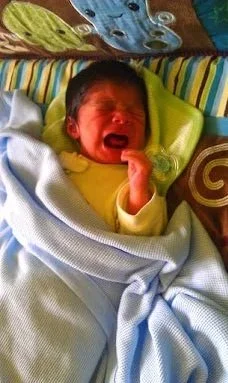
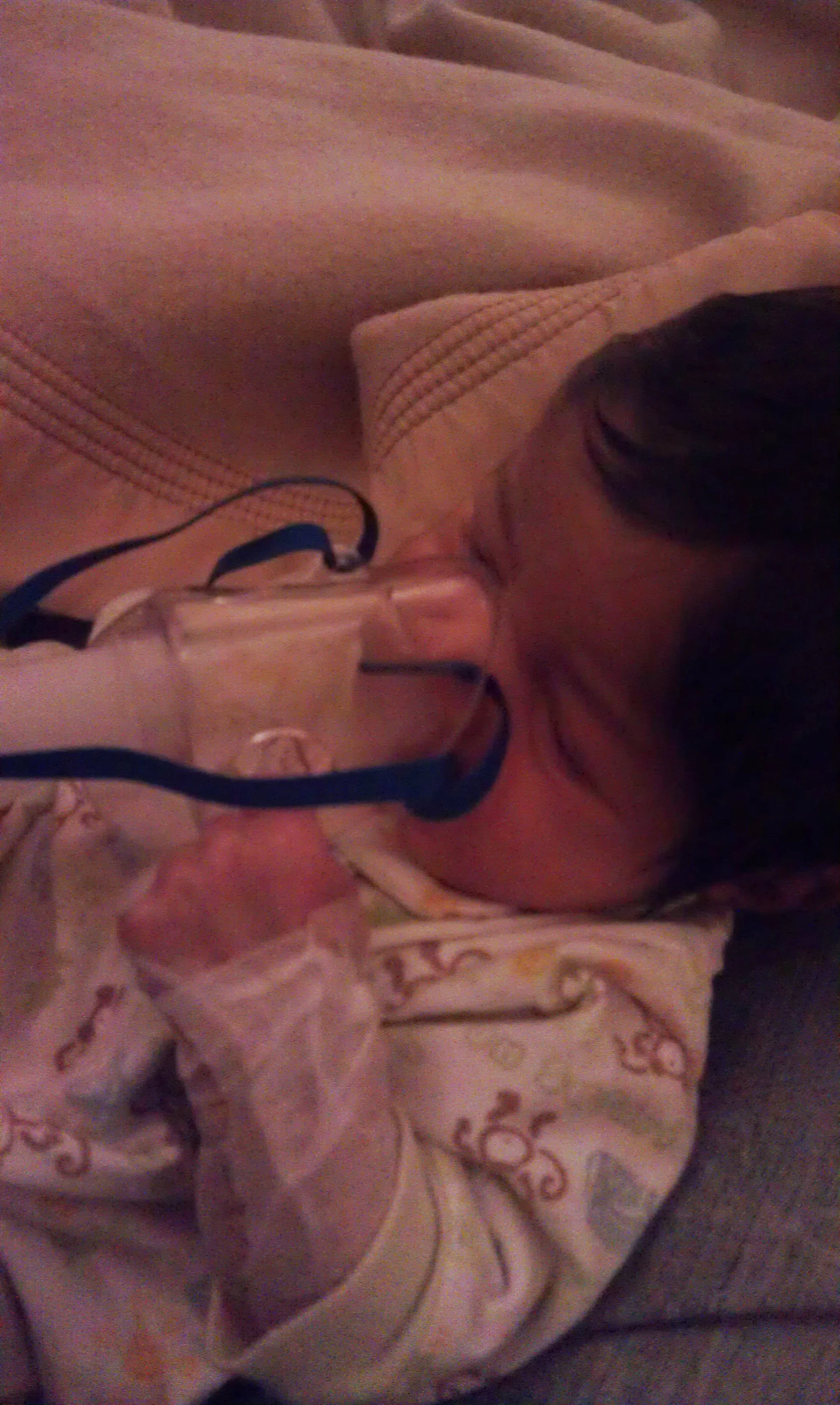
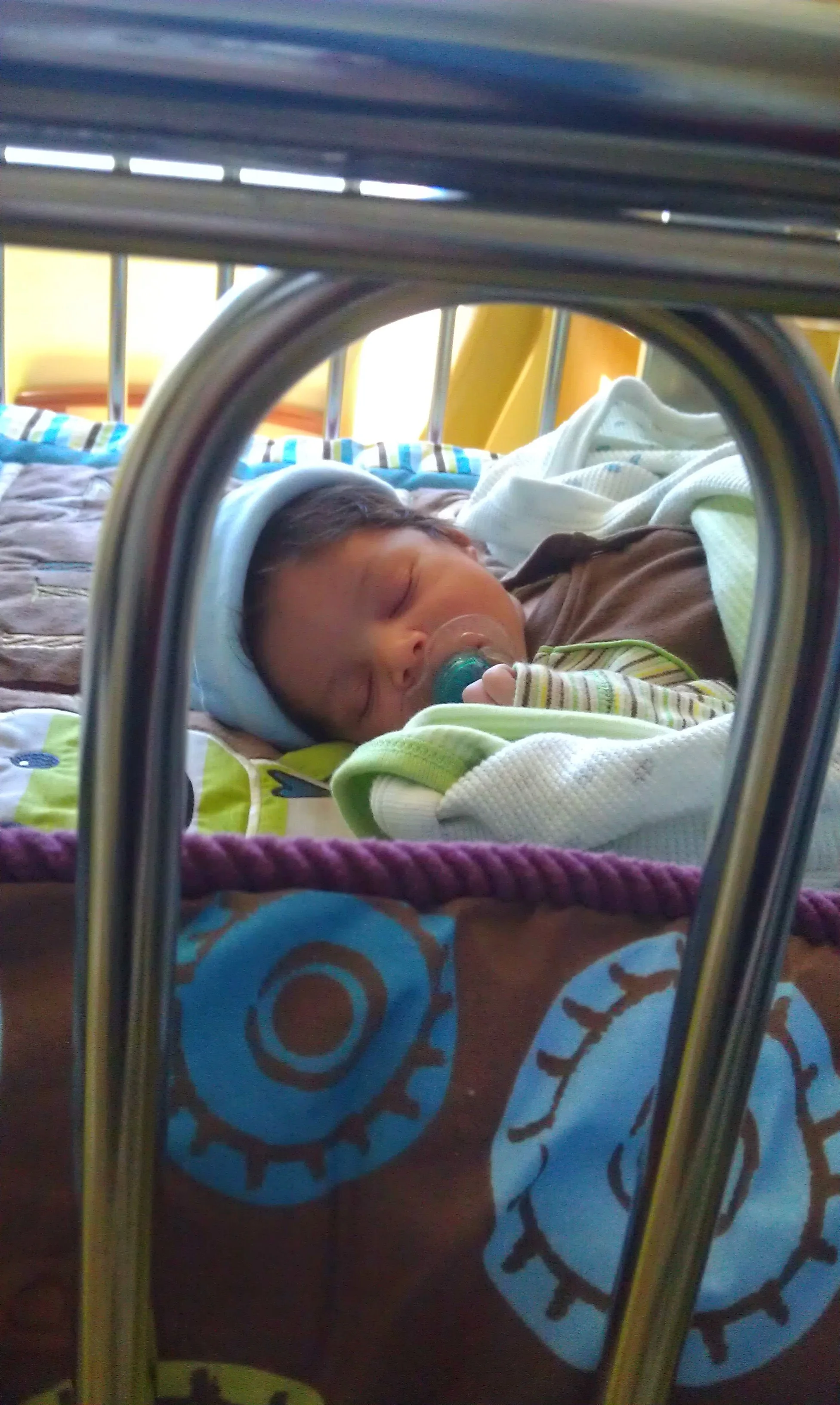
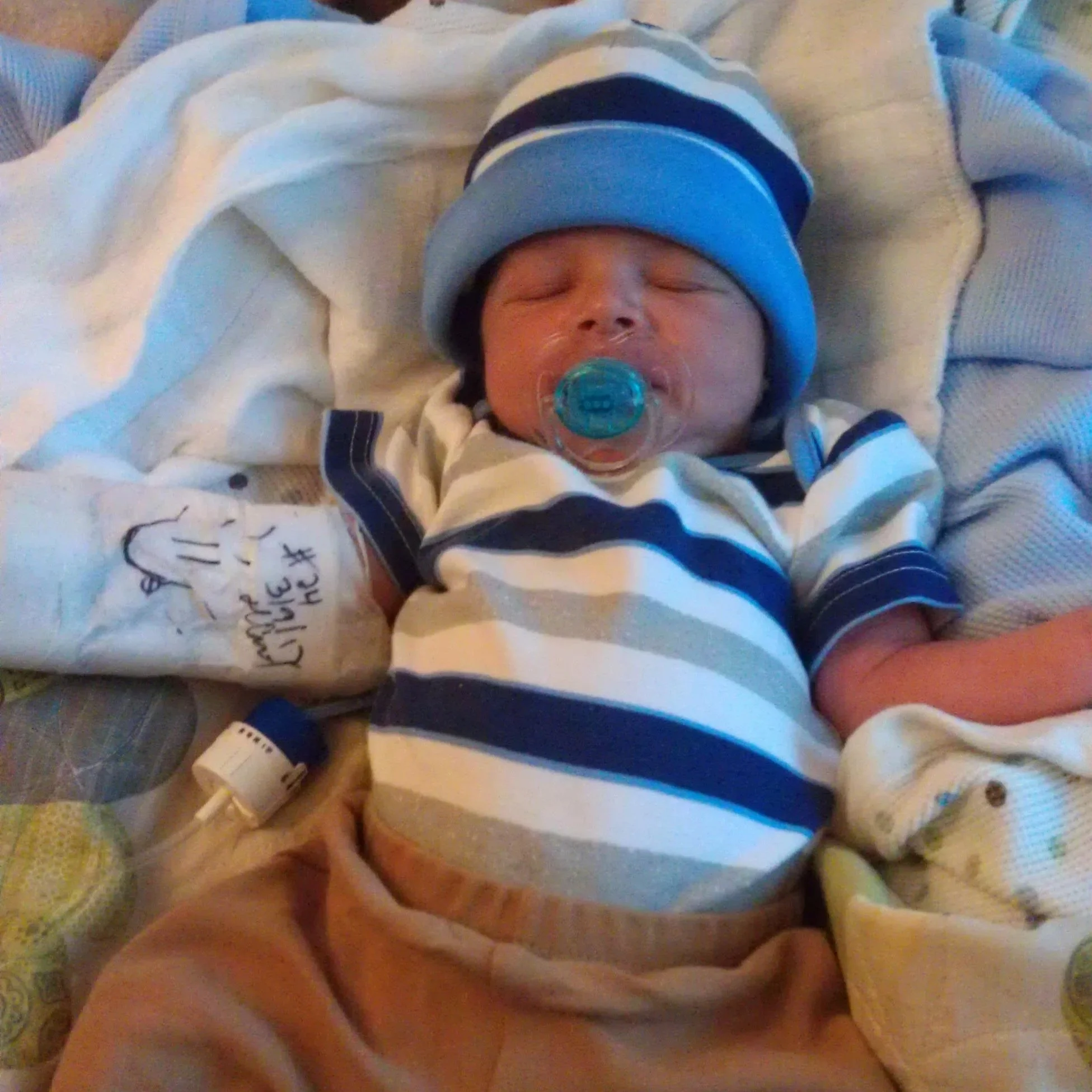
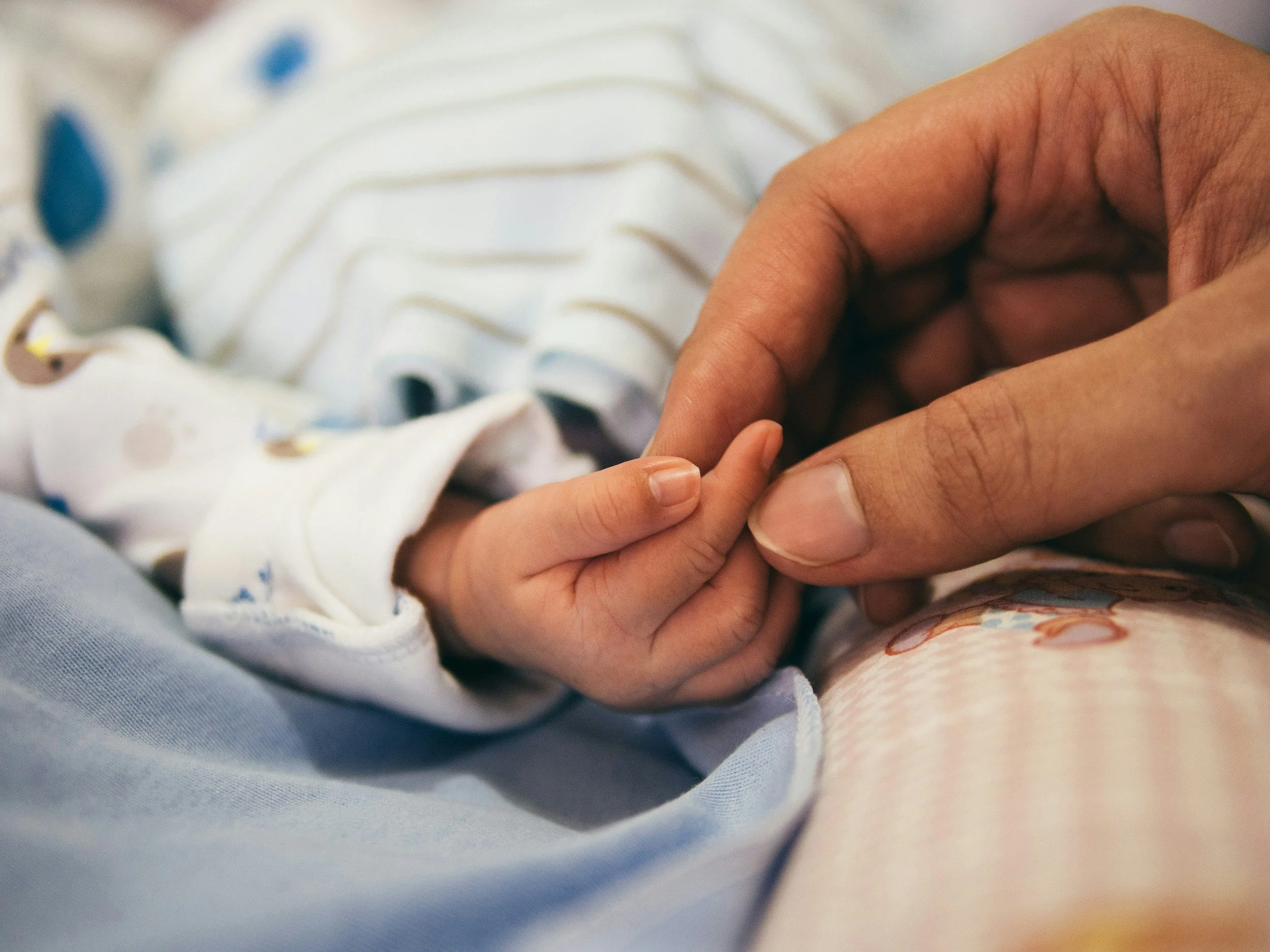
There are moments in life that divide your story into two parts: before and after. Not subtly, not over time but instantly. For me, that moment came when my son became a victim of medical malpractice. What should have been a space of care, protection, and trust instead became the beginning of a reality no parent is ever prepared to face. The experience reshaped not only my understanding of healthcare, but also my awareness of how fragile accountability can become when systems begin to shift.
What makes this moment even more critical is that it is not happening in isolation. Across Puerto Rico, legislative proposals are currently being considered that could fundamentally redefine how medical negligence is handled changes that have the potential to directly impact families like mine, and many others who may not yet realize what is at stake.
At the center of this conversation are Senate Projects 56 and 43, two measures that, while technical in language, carry deeply human consequences. Under longstanding legal principles in Puerto Rico, when multiple healthcare providers contribute to harm, hospitals can be held fully accountable for the totality of damages. This concept, known as solidarity, has historically served as a crucial protection for patients and their families, ensuring that victims have a clear path toward full compensation, even when multiple parties are involved.
However, Senate Project 56 proposes to dismantle this framework by replacing solidarity with what is known as proportional liability. In practical terms, this means that instead of holding a hospital responsible for the full extent of damages caused within its walls, responsibility would be divided among individual providers based on their perceived contribution to the harm. While this may appear balanced in theory, the reality for families is far more complex. Victims would now be required to identify, pursue, and prove liability against each individual provider separately an often overwhelming and resource-intensive process. If even one responsible party is not included or cannot be held accountable, the family risks losing a portion of the compensation they are entitled to.
At the same time, Senate Project 43 introduces another significant shift by proposing to limit or eliminate hospital liability in many cases involving negligence by healthcare providers operating within their facilities. This is particularly relevant in situations where patients are admitted through physician referrals, which represents the majority of non-emergency hospital care. The implication is clear: hospitals, as institutions, may no longer bear full responsibility for the actions of those working within them, even when those actions result in harm.
When viewed together, these proposals represent more than legal adjustments they signal a redefinition of accountability in healthcare. And for families navigating the aftermath of medical malpractice, accountability is not an abstract concept. It is the foundation of justice, closure, and the ability to move forward.
Medical negligence does not end when the hospital stay is over. For many families, including mine, it becomes a lifelong reality. It can mean ongoing medical care, therapies, emotional and psychological strain, and a financial burden that extends far beyond what most people can imagine. It reshapes daily life, future plans, and the very way you see the world. In these moments, the legal system is meant to provide a path toward support and resolution not additional barriers.
As a mother, I have lived the weight of these realities. While I choose to keep certain details of my son’s journey private, what I can share is that the experience forced me into a world I never expected to navigate…one defined by medical terminology, legal processes, and the constant need to advocate. It is a space where clarity is often hard to find, and where the emotional toll is as significant as the physical one. And yet, like many parents in similar situations, I have continued forward not only for my son, but for the possibility of something better.
This is where my work with Play It Foward takes on a deeper meaning. What began as a platform centered on sustainability and giving has evolved into something more expansive: a space for awareness, advocacy, and intentional impact. Because sometimes, giving forward is not only about material things but about information, voice, and visibility. It is about ensuring that conversations like this are not overlooked, especially when they affect those who may already feel unheard.
The current legislative moment in Puerto Rico raises essential questions that deserve broader attention. What happens when the balance between institutional protection and patient rights begins to shift? How do we ensure that families navigating harm are not further burdened by the very systems meant to support them? And perhaps most importantly, how do we preserve trust in healthcare when accountability becomes more difficult to define?
These are not questions with simple answers. But they are questions that must be asked openly, thoughtfully, and with a clear understanding of the human impact behind them.
Because at the end of the day, this is not just about laws or policies. It is about people. It is about children. It is about families whose lives have been permanently altered, and who are now being asked to navigate an even more complex path toward justice.
My decision to speak on this is rooted in something simple: awareness leads to change. Silence, on the other hand, allows systems to evolve without scrutiny.
This is not about creating fear it is about encouraging understanding. It is about making sure that families, patients, and communities are informed about what is happening and what it could mean for them.
For me, this journey has transformed pain into purpose. It has reinforced the importance of advocacy, even when it feels uncomfortable, and the value of using your voice when it matters most.
Because healthcare should protect. Systems should support. And accountability should never be optional.
View the official legislative documents **SPANISH** (Project 43)
View the official legislative documents **SPANISH** (Project 56)